Artificial intelligence is no longer a tool but a collaborator. In digital art and design, machines generate, assist, and sometimes surprise their creators. Sonori’s recent experiments with AI-driven motion explore how algorithms interpret human intent — creating forms that feel both precise and unpredictable.
This collaboration between man and machine opens philosophical questions: where does authorship end, and where does curation begin? The answer may lie in emotion. While AI can generate patterns, only humans can assign meaning. The art of the near future will be defined by emotional programming — the translation of empathy into algorithmic form.
Instead of replacing human creativity, AI redefines it. The next evolution of art and design isn’t artificial — it’s augmented: shaped by human intuition, executed with machine precision, and experienced as one seamless narrative.

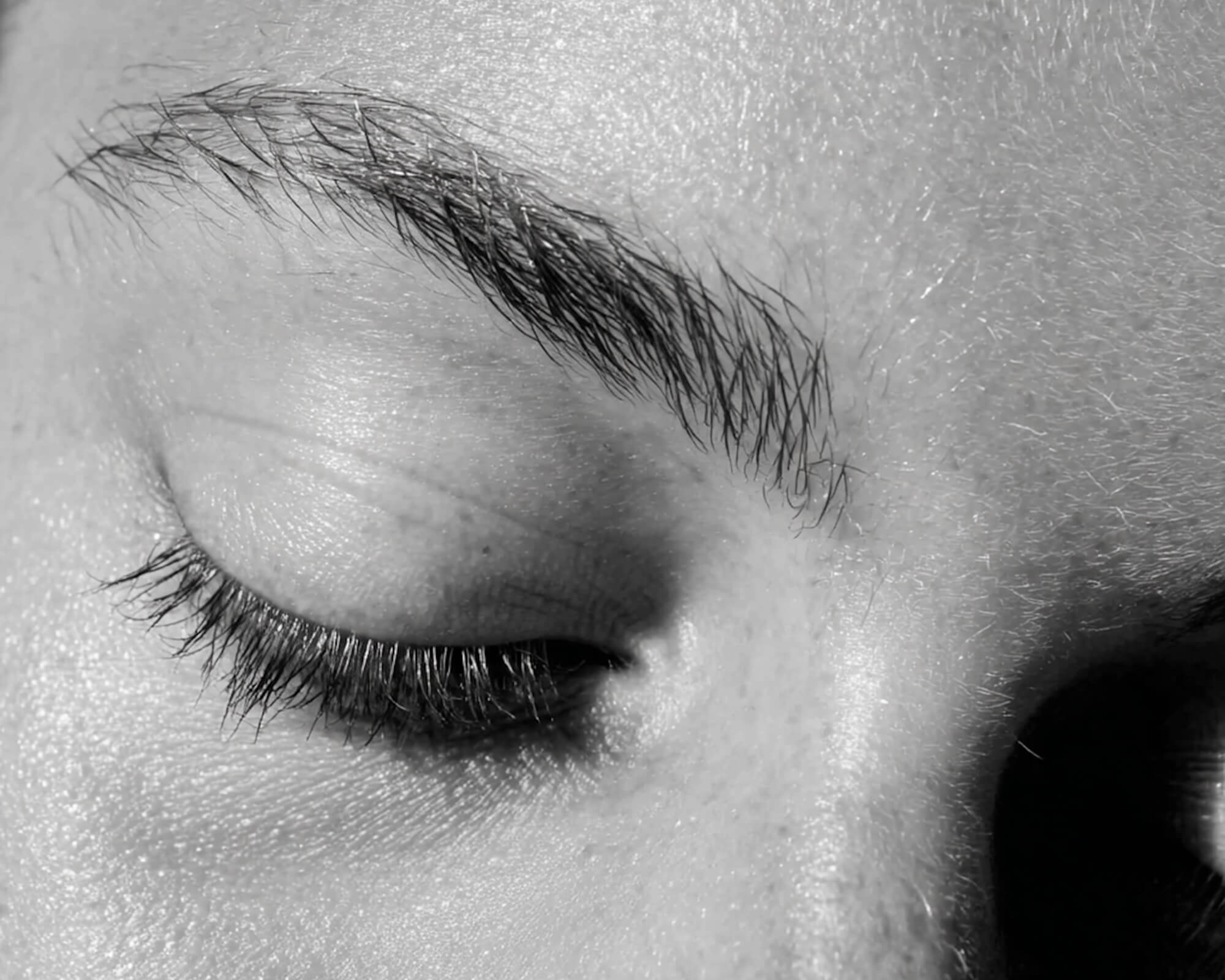
The digital architect works with timing instead of concrete, with opacity instead of shadow. Each transition serves as a corridor, every page a new chamber defined by light and motion. This approach redefines how users inhabit a website — not as visitors but as participants in a constructed atmosphere.
By merging motion and structure, designers now build emotional spaces that breathe, shift, and react. The result is architecture without gravity — a poetic convergence of interaction, perception, and time.

Source:
Author:
The Aesthetics of Technology — Designing the Invisible
Design & Tech
Sep 2025
other news

Beyond the Screen — The Future of Digital Presence
We’ll be in Budapest speaking alongside some of the design industry’s best minds on the topic of “Making Sense.”
May 2025
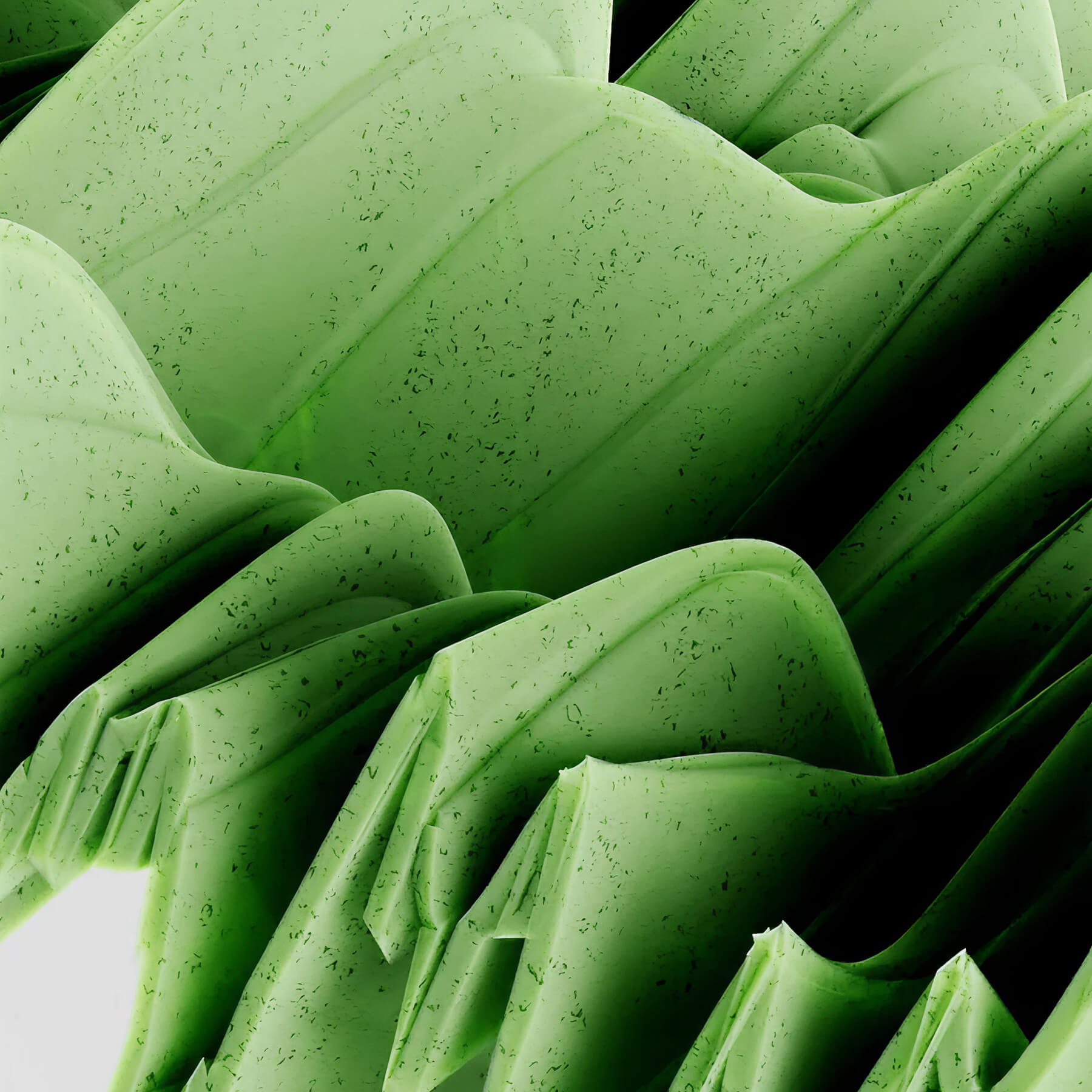
Generative Design — When Creativity Becomes Autonomous
We’ll be in Budapest speaking alongside some of the design industry’s best minds on the topic of “Making Sense.”
Jun 2025