Generative design represents one of the most radical shifts in modern creativity. Instead of fixed compositions, designers now create systems capable of inventing their own solutions. Algorithms evolve visuals through logic, randomness, and adaptation — creating patterns beyond human imagination.
At Sonori, this concept shapes not only motion and identity work but also the philosophy behind design itself. The studio experiments with modular systems that generate thousands of unique compositions within a unified visual language. The process feels closer to gardening than design: you plant parameters, nurture growth, and watch unpredictable beauty emerge.
The era of generative design challenges authorship and control. It asks designers to let go — to trust code as a collaborator. It’s a new form of artistry defined not by precision, but by permission.

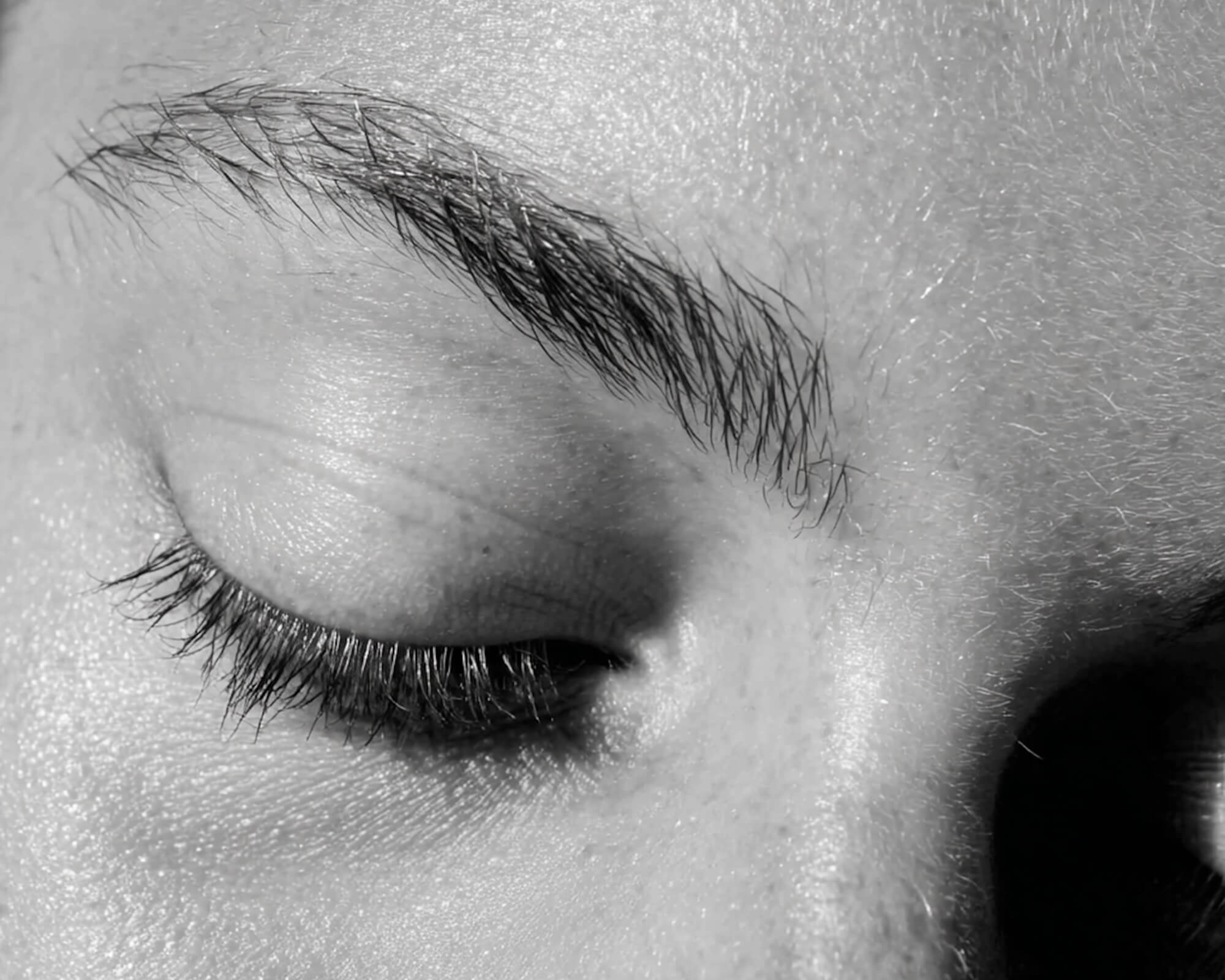
Instead of directing users, emotional interfaces anticipate them. Micro-interactions mirror human gestures: hover delays resemble hesitation, gradients fade like breathing, transitions echo the natural rhythm of attention. This approach transforms utility into connection.
Designers now act as emotional translators, shaping technology that speaks softly rather than shouts. The goal is not to impress but to align — to make the digital experience feel like a conversation, not an instruction.



Source:
Author:

Beyond the Screen — The Future of Digital Presence
Digital Art
May 2025
other news

Digital Poetics — When Code Becomes Canvas
We’ll be in Budapest speaking alongside some of the design industry’s best minds on the topic of “Making Sense.”
OCT 2025
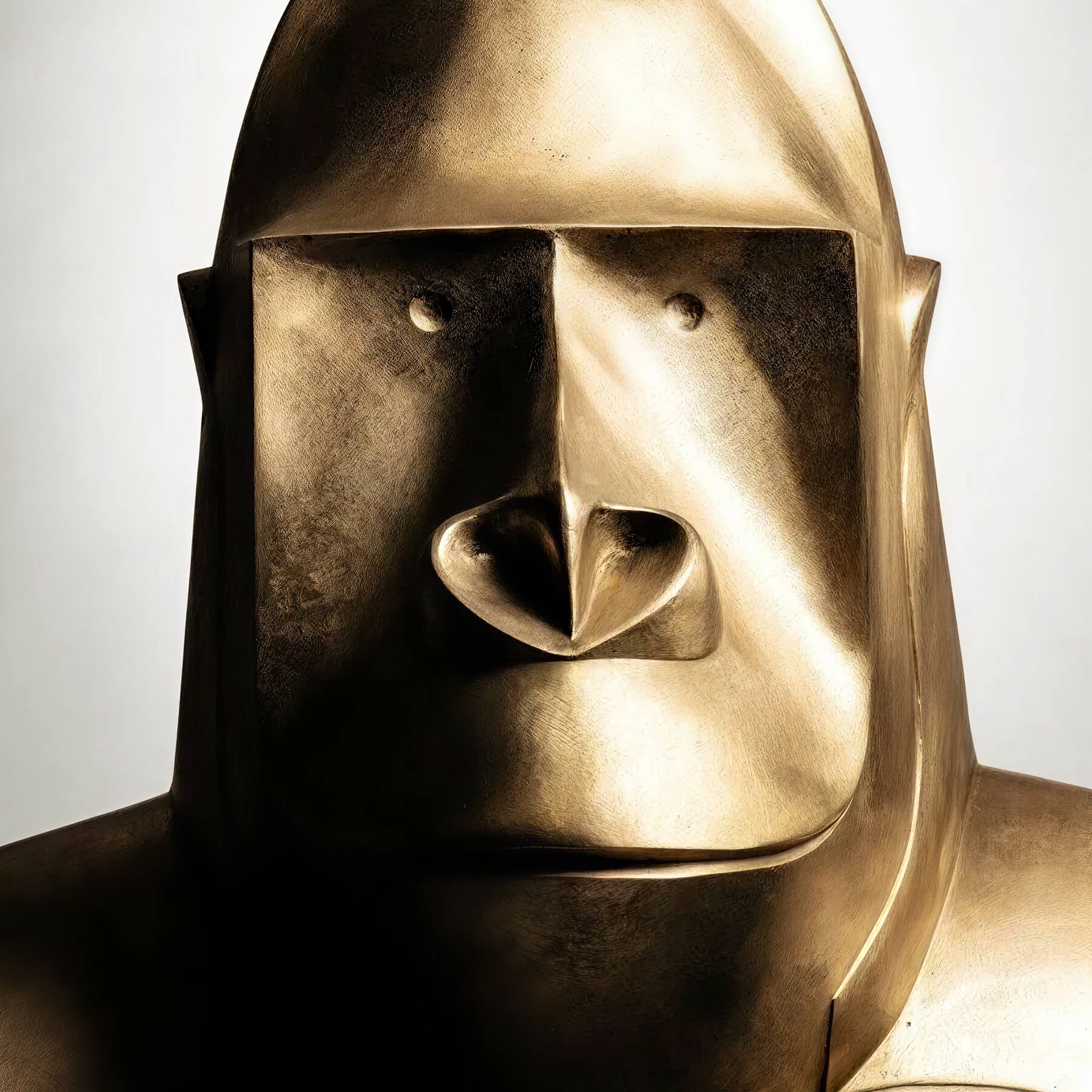
The Aesthetics of Technology — Designing the Invisible
We’ll be in Budapest speaking alongside some of the design industry’s best minds on the topic of “Making Sense.”
Sep 2025